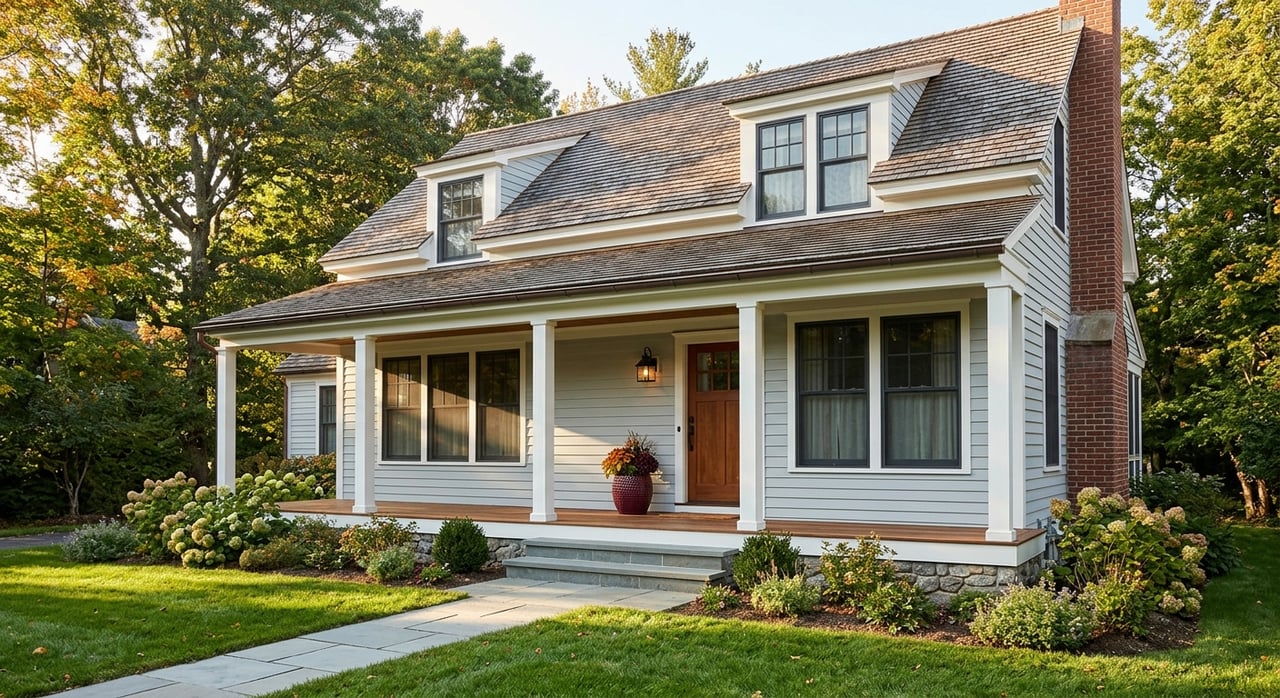
What Everyday Life Is Really Like In Ithaca
Wondering what it actually feels like to live in Ithaca day to day? If you are thinking about moving here, buying your first home, downsizing, or investing, you probably want more than postcard views and broad descriptions. You want to know how people get around, what the housing feels like, and how the seasons shape real life. Let’s dive in.
Ithaca is a compact city of 32,108 people, which gives it a smaller-scale feel than many college-centered markets. Even so, everyday life tends to feel active because so much is packed into a relatively small area.
The city’s rhythm comes from a mix of downtown activity, campus influence, parks, trails, and year-round local gathering spots. That means you can have the convenience of an urban core without the sprawl that often comes with larger metro areas.
For many people, the center of everyday life is the Ithaca Commons. This four-block pedestrian district sits at the heart of downtown and brings together independently owned shops, restaurants, galleries, services, public art, and regular events.
It also concentrates a lot of the city’s entertainment and cultural activity in one area. Places like the State Theatre, Cinemapolis, Kitchen Theatre, Hangar Theatre, the Cayuga Chamber Orchestra, local murals, and the Carl Sagan Planet Walk help make downtown feel active beyond the workday.
If you like the idea of being able to walk out your door and have practical errands and social options close by, this is a big part of Ithaca’s appeal. The downtown core offers a level of convenience that can make daily life feel simpler and more connected.
Ithaca is not just about restaurants and events. It also has important everyday services close to the center of town, which matters when you are thinking about how a place works in real life.
Tompkins County Public Library is on East Green Street and serves about 104,000 Tompkins County residents as the central library in the Finger Lakes Library System. Cayuga Medical Center, the city’s major hospital campus, is also located in Ithaca.
These details may sound basic, but they are part of what makes the city functional. When a place has entertainment, services, and public resources woven into daily life, it tends to feel easier to live in, not just interesting to visit.
In some places, a farmers market is mostly a warm-weather activity. In Ithaca, it is more deeply tied to the local routine.
The Ithaca Farmers Market runs year-round, with its main market at Steamboat Landing on the Cayuga Lake waterfront. Vendors produce goods within 30 miles, and the market also includes satellite and winter markets, including a winter market at Triphammer Marketplace.
That year-round schedule says something important about local life. Ithaca tends to support recurring habits around local food, seasonal shopping, and community gathering, rather than limiting that experience to a few summer weekends.
If you live in Ithaca, spending time outside is not just an occasional bonus. It is a regular part of how many people use the city.
Official local resources highlight places like Stewart Park, Cass Park, the city trail system, and nearby destinations such as Buttermilk Falls, Robert H. Treman, and Taughannock Falls. The city’s trail planning also points to stronger connections from the Commons to the Cayuga Waterfront Trail and onward to broader trail networks.
What this means in practical terms is simple: you do not have to drive far to find outdoor space. Whether you want a quick walk, a waterfront visit, or a longer weekend outing, outdoor access is part of the local pattern.
Ithaca’s climate has a strong effect on everyday life. NOAA normals for Ithaca Cornell University show an annual average temperature of 46.3 degrees, a January average high and low of 31.0 and 14.6 degrees, a July average high and low of 79.9 and 57.9 degrees, and 62.9 inches of annual snowfall.
That is not just weather data. It is a lifestyle factor that affects clothing, commuting, home maintenance, recreation, and even the pace of the year.
Summer tends to support boating, swimming, and hiking. Winter shifts the routine toward skiing, sledding, skating, and simply preparing for colder, snowier conditions.
If you are relocating from a milder climate, this is one of the biggest adjustments to think through. Ithaca can be a great fit if you enjoy four distinct seasons, but your daily routine will likely change more between January and July than it would in many other places.
The city’s recreation options reflect that seasonality. Cass Park offers an ice rink from October through March, roller skating in the off-season, and a public pool in summer.
Taughannock Falls State Park is open year-round, with swimming offered seasonally. Even the Ithaca Farmers Market’s covered pavilion stays open in snowy weather, which reinforces how much local life continues through winter instead of shutting down completely.
That year-round approach is worth noting if you are trying to picture real life here. Ithaca does not stop when the seasons change. It adapts.
One of the most useful things to understand about Ithaca is that transportation is mixed. Some parts of daily life are very walkable, while other routines still work better with a car.
TCAT is the main public transit system and operates 25 urban, campus, and rural routes. It serves Cornell University, Ithaca College, and Tompkins Cortland Community College, and runs seven days a week for 359 days each year.
Downtown also functions as a transit hub, with major bus stops at the Green Street and Seneca Street stations. Downtown Ithaca notes that Route 10 runs to Cornell every ten minutes on weekdays, which is a practical detail for many residents.
Commute data from the Ithaca-Tompkins County Transportation Council helps show how people actually travel. In the 2023-5 ACS estimate for Ithaca, 47.7% of workers drove alone, 9.3% carpooled, 6.4% used the bus, 10.2% walked, and the mean commute time was 19.8 minutes.
That mix lines up with what many buyers notice on the ground. A car-light lifestyle can be realistic in the downtown and Cornell corridor, especially if you want to be near the Commons, transit, and services.
At the same time, driving remains the most common commute mode overall. If you are home shopping, the location you choose may have a major effect on how often you walk, ride the bus, or rely on a car.
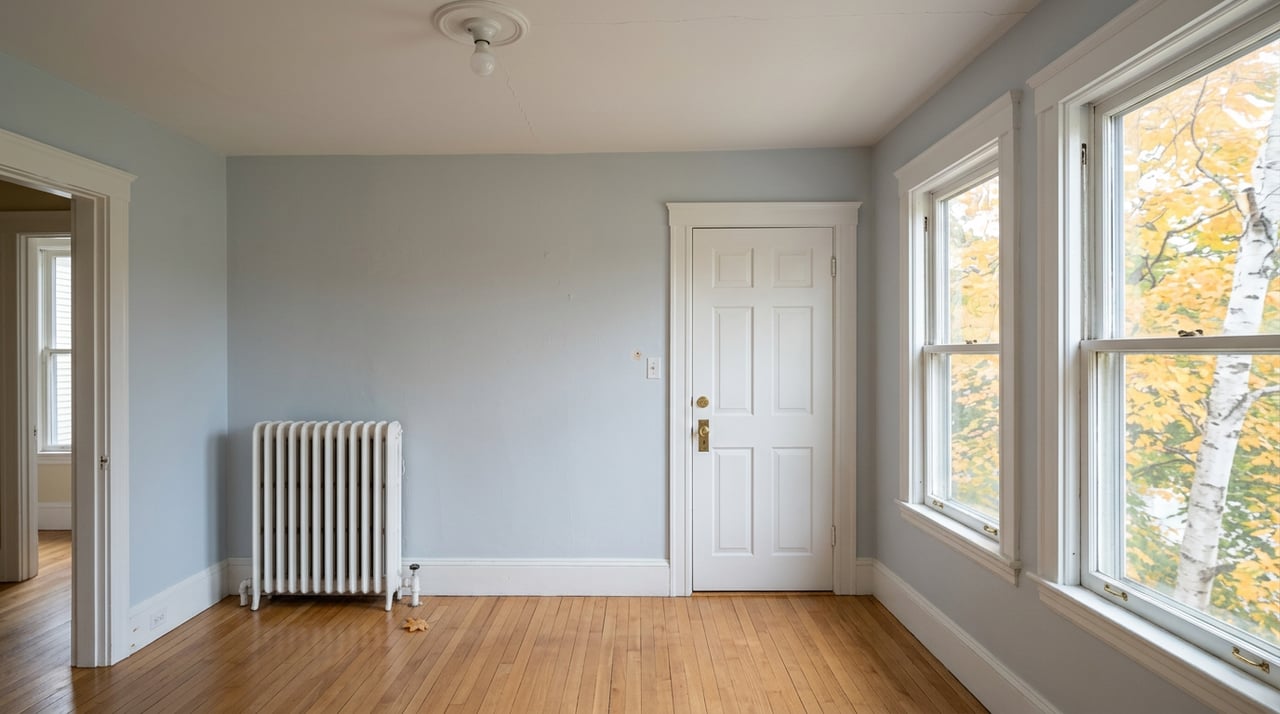
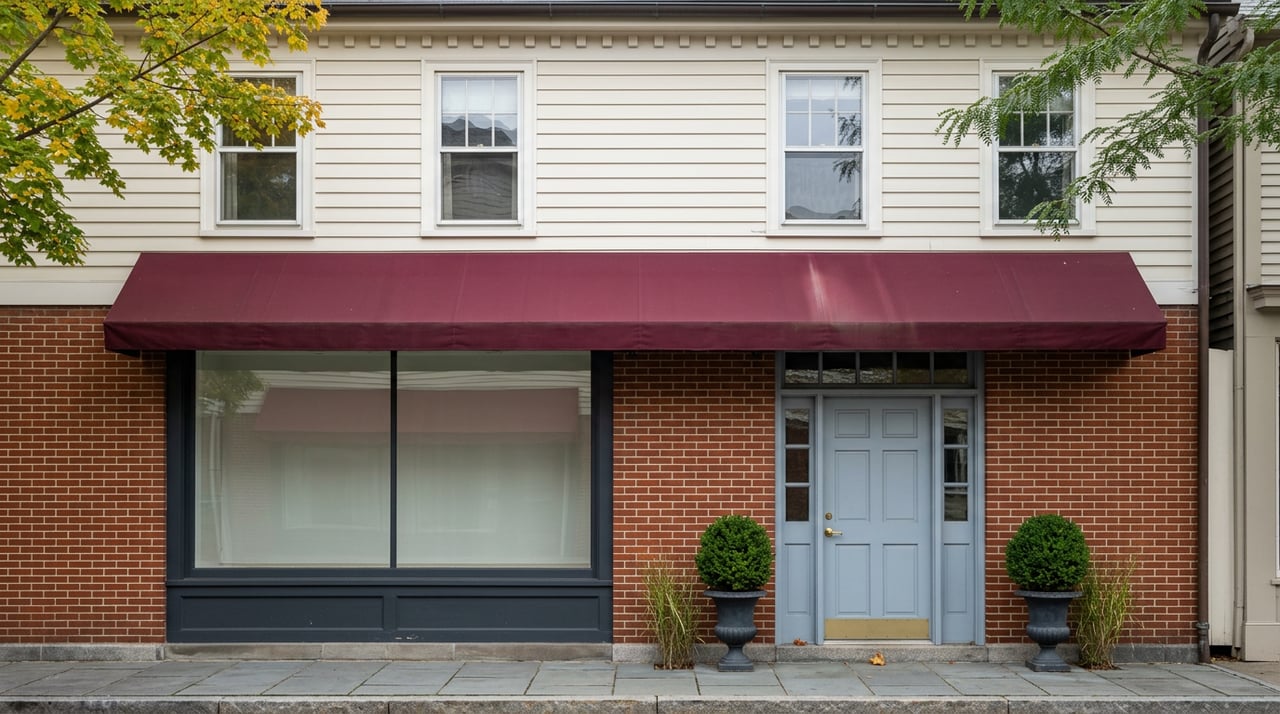
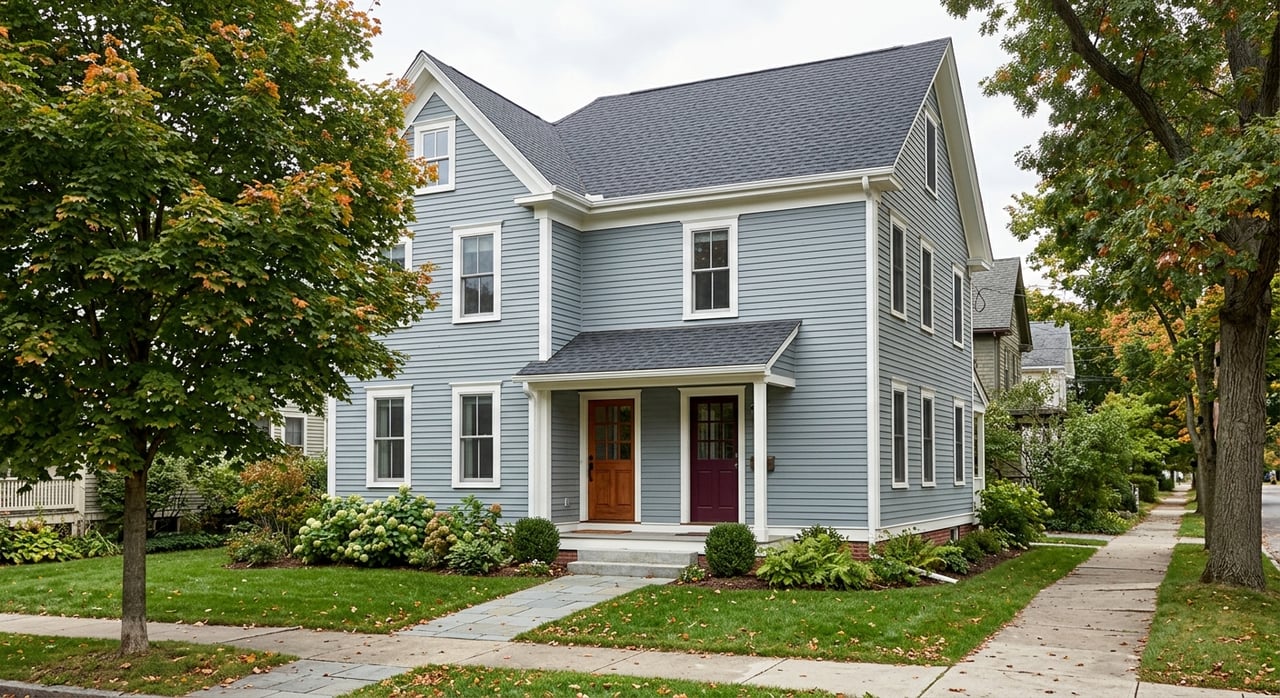
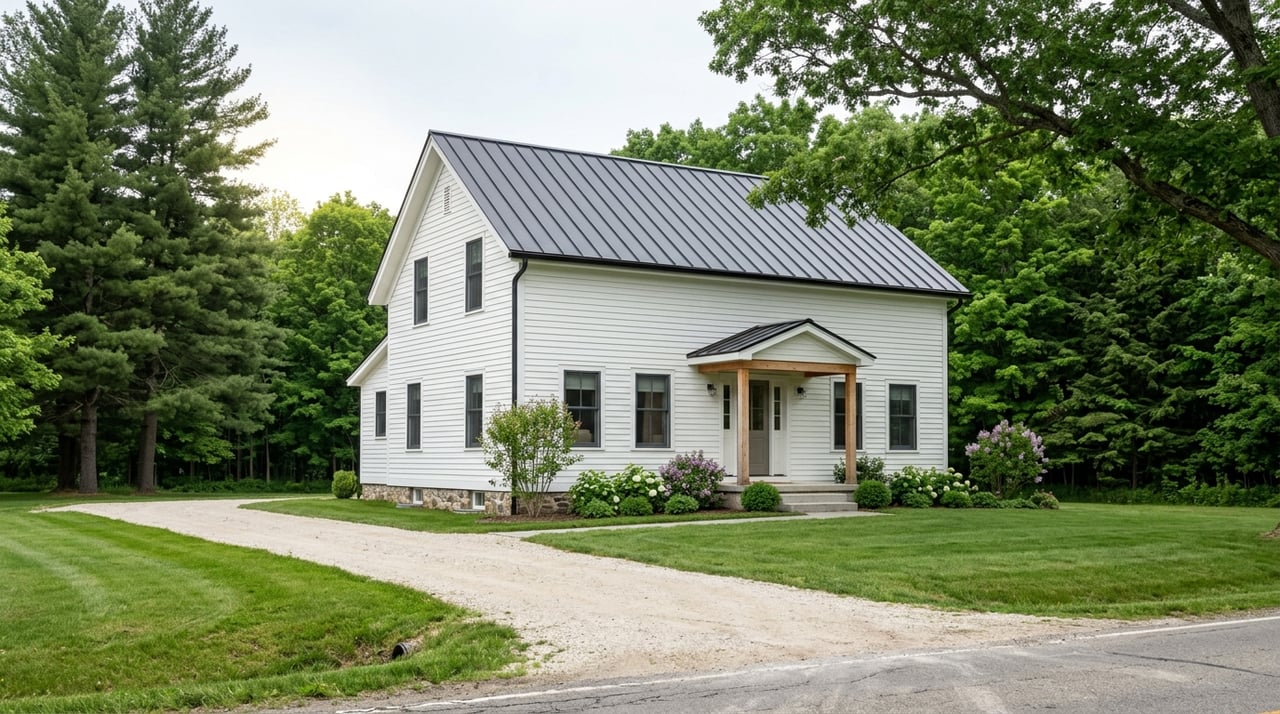
Ithaca’s housing is one of the most important pieces of everyday life because it strongly shapes both budget and lifestyle. The city describes its housing stock as ranging from modern condominiums to century-old historic homes.
This is not a market dominated by newer suburban-style houses. ACS-based profile data show that 62% of housing units are in multi-unit structures and 70% are renter-occupied.
For buyers, that means you are often evaluating older homes, attached housing, condos, or multi-unit properties rather than a uniform set of detached houses. For sellers, it means condition, layout, and updates can play a very large role in pricing and buyer interest.
If Ithaca prices ever seem confusing, there is a reason. Different data points can create different first impressions depending on whether you are looking at owner-occupied values, sold prices, or active listings.
The ACS profile reports a median value of $342,700 for owner-occupied homes. It also shows that the largest value bands are $300,000 to $400,000 at 32% and $400,000 to $500,000 at 19%.
Recent market snapshots show another angle. Redfin reported a median sale price of $350,000 in March 2026, while Realtor.com reported a median listing price of $484,500 and a typical market turnover of 26 days.
The practical takeaway is that price can shift quickly based on condition, property type, and location. A condo, older single-family home, or multi-family property may each tell a very different pricing story.
If you are buying in Ithaca, it helps to think beyond square footage. Daily life here is often shaped by how close you want to be to downtown, campus areas, parks, trails, transit, and year-round amenities.
It also helps to be realistic about older housing stock. In a market with historic homes, multi-unit buildings, and a broad mix of property types, construction details and maintenance needs can matter just as much as the address.
This is where practical guidance matters. A home that looks appealing online may feel very different once you factor in walkability, winter access, parking, layout, and repair needs.
If you are selling in Ithaca, buyers are often looking at more than finishes and price. They are also thinking about commute patterns, access to downtown, outdoor spaces, transit, and how the home fits local routines.
In a market with a lot of older housing, thoughtful preparation can make a real difference. Clear presentation, realistic pricing, and a smart plan for addressing condition issues can help your property stand out.
That is especially true when buyers are comparing very different housing options across the city. The more clearly your home’s strengths fit real everyday living, the better it tends to compete.
What everyday life is really like in Ithaca comes down to balance. It is a small city with a lot going on, a place where walkable downtown living, outdoor access, and seasonal change all play a major role.
It is also a market where housing choices can vary a lot by age, type, and location. If you are planning a move, a purchase, or a sale, it helps to work with someone who understands how those details affect not just value, but the way you will actually live.
If you want help sorting through neighborhoods, older homes, investment potential, or what daily life in Ithaca might look like for you, Brian DeYoung is here to help.
Stay up to date on the latest real estate trends.

Dedicated support from your first search to closing day. Let Brian DeYoung guide you toward your next dream home.