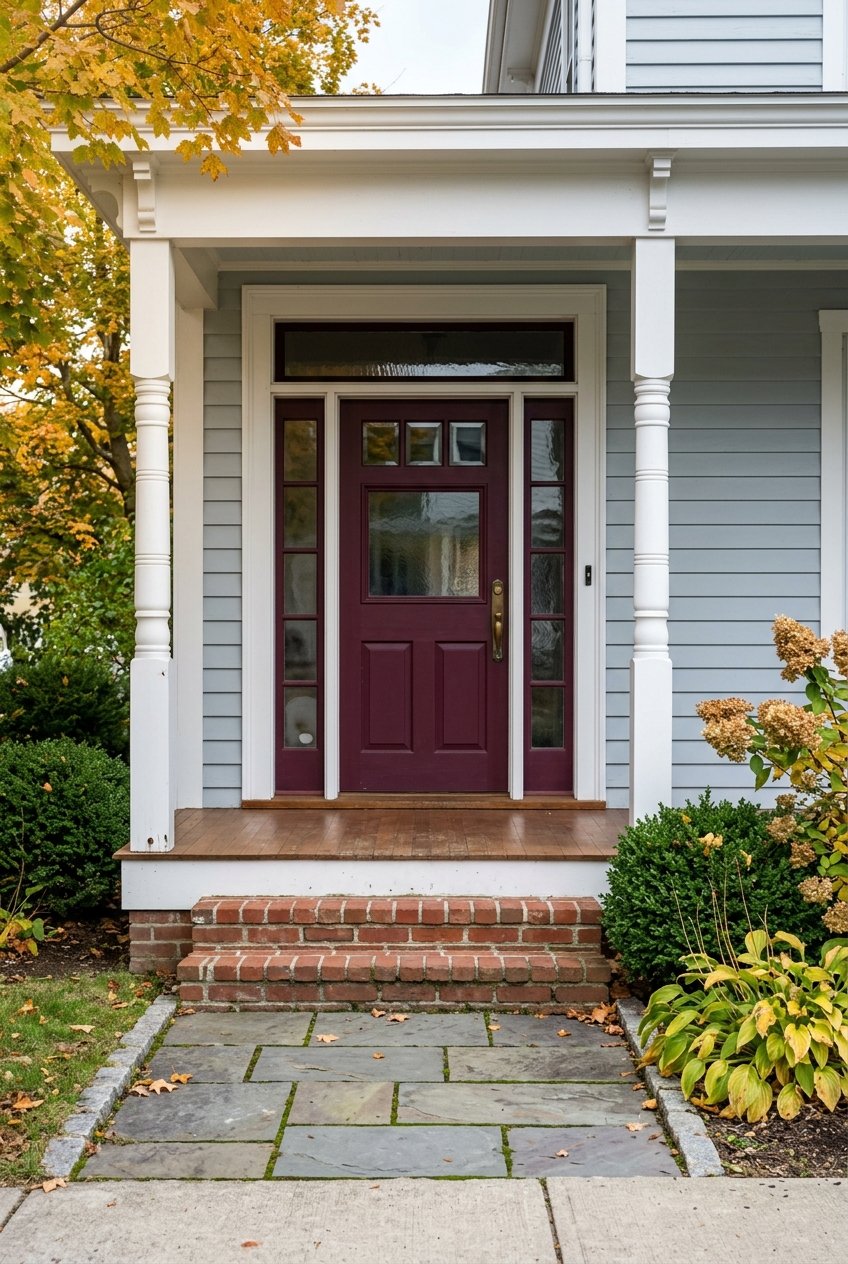
Buying And Owning A Historic Home In Trumansburg
If you love the idea of wide trim, tall windows, old wood floors, and a home with real character, Trumansburg can be hard to resist. Buying a historic or historic-feeling home here can be exciting, but it also comes with questions about condition, upkeep, and long-term cost. The good news is that with the right expectations, you can enjoy the charm while making smart decisions about repairs, budgeting, and ownership. Let’s dive in.
Trumansburg has a long local history, with county sources dating the community’s founding to 1793 and the village’s incorporation to 1872. Village and county planning documents describe a built environment with many older homes and a strong architectural identity. If you want a village setting where older houses are part of the streetscape, Trumansburg stands out.
Historic preservation is also an active local topic. The village’s 2021 draft comprehensive plan notes several National Register-listed properties and says the Main Street corridor could be considered for a historic district. That tells you two useful things as a buyer: historic character is part of the village’s identity, and older buildings are an important part of local planning.
Not every old house is officially historic, and that distinction matters. In Trumansburg, some buildings are individually listed on the National Register, including the Hermon Camp House, First Presbyterian Church of Ulysses, Second Baptist Society of Ulysses, and the William Austin House. Other homes may not be individually listed, but still contribute to the older village fabric and architectural character.
For you as a buyer, that means there are really two categories to think about. One is a formally recognized historic property or a home that may contribute to a listed district. The other is an older home with historic style and materials, but without the same formal designation. That difference can affect renovation choices, approval needs, and whether certain tax-credit programs may apply.
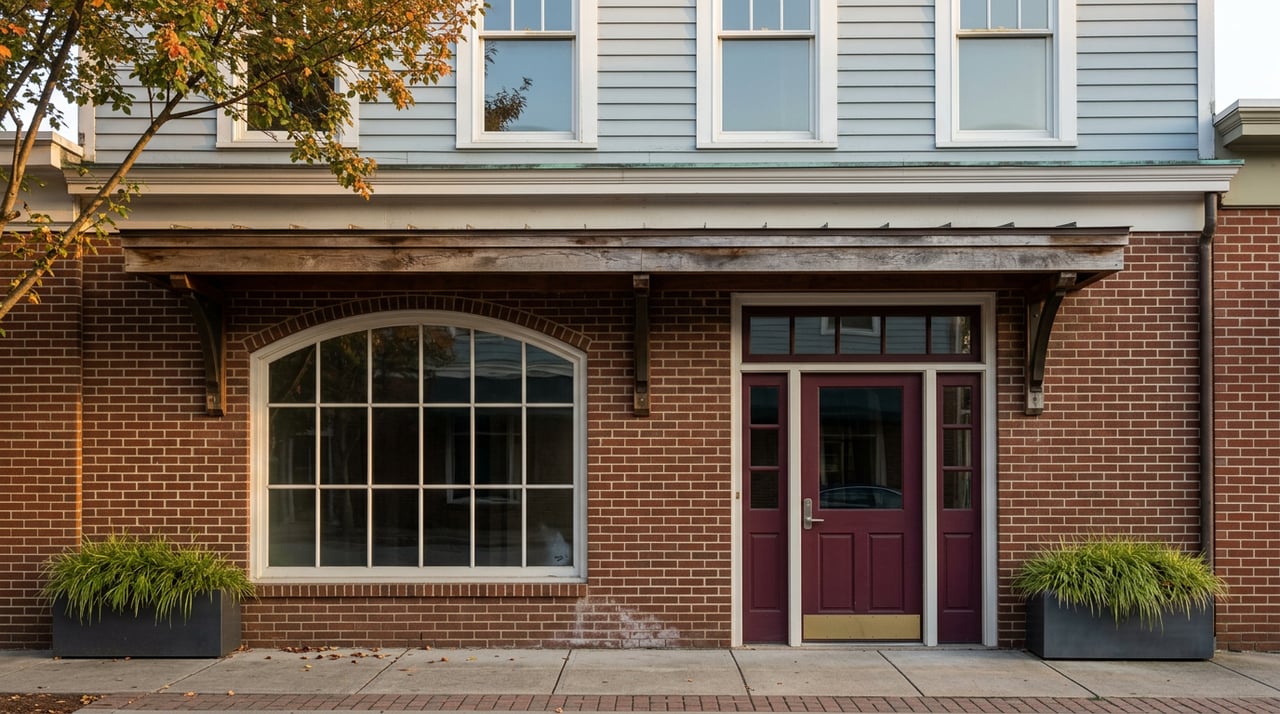
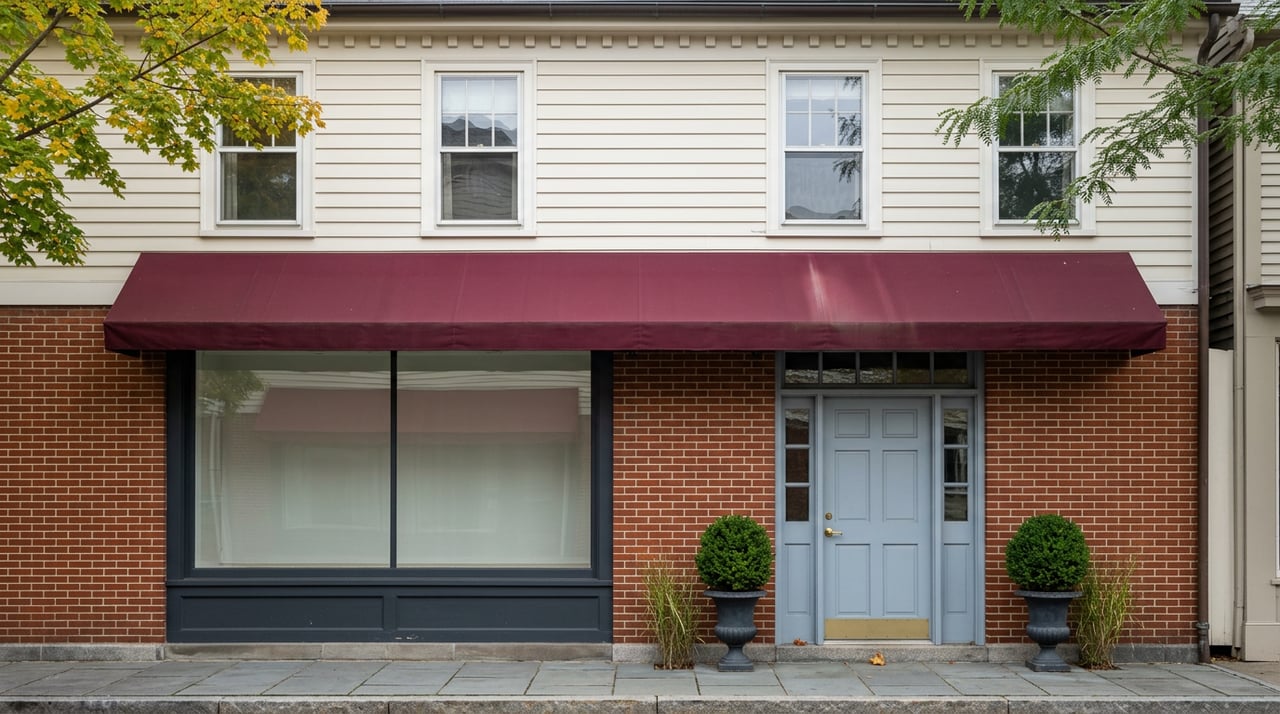
One of the pleasures of buying in Trumansburg is the variety of house styles. The village plan says the historic building stock includes Federal, Greek Revival, Gothic Revival, Italianate, Second Empire, Colonial Revival, and Queen Anne architecture. You may also see late-19th-century brick commercial buildings with cast-iron details in the village core.
The county historian’s material adds more detail that can help you recognize what you are looking at during showings. In the village’s historic district, Greek Revival and Federal homes are especially common. Some homes blend the two, which can show up in details like symmetry, restrained ornament, and features such as an elliptical fanlight.
These are some of the clearest style markers in the older village core. They often reflect early-19th-century design and can include balanced facades, prominent entry details, and simple but elegant trim work. If you are drawn to classic proportions and understated exterior character, these homes may be the ones you notice first.
Trumansburg also includes more decorative and visually distinctive homes. The Tower House on Washington Street is described by the county historian as a Gothic Revival home with an octagonal tower and picturesque windows and roof trim. Italianate examples include homes with cupolas, taller window proportions, and more ornamental detailing.
You may also come across Second Empire features such as mansard roofs, round-arched windows, and dormers. Later village homes can include Colonial Revival and Queen Anne influences. In practical terms, that variety means every older home should be evaluated on its own merits, because age alone will not tell you how the house was built or what it may need.
A historic home can be rewarding to own, but older materials and systems need a more careful review. In Trumansburg, the biggest issues for many buyers will be lead, asbestos, moisture, and energy performance. These are not automatic deal-breakers, but they do affect planning and cost.
A standard home inspection is still important, but it is only the starting point with an older house. If the property is from an earlier era, you should be ready to ask more questions about past repairs, deferred maintenance, and which materials are original versus replaced.
If you are buying most pre-1978 housing, you have the right to receive lead disclosure information before signing a contract. EPA says the older the home, the more likely it contains lead-based paint, and it estimates that 87% of homes built before 1940 have some lead-based paint. In a village with many 19th-century homes, that is worth taking seriously.
Lead paint in good condition is usually less of a concern than paint that is peeling, chipping, cracking, or damaged by moisture. Friction surfaces such as windows and doors can be especially important. If you are planning repairs or updates, it helps to know where lead risks may be present before work starts.
Asbestos cannot be identified by sight alone. EPA notes that common residential materials that may contain asbestos include floor tile, ceiling tile, pipe wrap, siding, insulation, popcorn ceilings, and vermiculite. That matters most if materials are damaged or if you plan to disturb them during renovation.
If a suspect material is intact and will remain untouched, testing is usually not necessary. But if you are opening walls, replacing flooring, or updating old insulation, EPA recommends sampling by a trained and accredited asbestos professional. For many buyers, this is an important part of setting a realistic renovation budget.
Moisture is one of the most important things to track in an older home. CDC says mold grows where moisture is present from roof, window, wall, or plumbing leaks, and solving the problem means both cleaning up the mold and fixing the source of moisture. In older houses, long maintenance histories can make hidden water damage more likely.
During your due diligence, pay close attention to basement conditions, roof age, window performance, and signs of staining or previous patching. A house can still be a good purchase, but you want a clear picture of what has been addressed and what may still need work.
You should also expect an older home to perform differently than a newer one. Older houses often were not built with modern insulation or high-efficiency heating systems. That does not mean they cannot become more comfortable and efficient over time, but it usually takes a phased approach.
The National Park Service says historic properties can be improved for energy efficiency while preserving character. In practice, that often means focusing on air sealing, insulation, and mechanical upgrades instead of assuming the quickest replacement option is always the best one.
Owning a historic home usually works best when you think in stages. National Park Service guidance emphasizes ongoing maintenance and repair over extensive replacement, and when replacement is necessary, the new material should match the old in composition, design, color, and texture. That approach helps protect the character that likely drew you to the house in the first place.
A practical budget often follows this order:
This kind of phased plan can reduce surprises and help you avoid spending money in the wrong order. It also matches how many older homes are improved successfully over time.
If you are looking at an owner-occupied historic home, New York’s Historic Homeownership Rehabilitation Tax Credit may be worth exploring. The program offers a state income tax credit equal to 20% of Qualified Rehabilitation Expenses. To qualify, the home must meet several requirements, including register status, qualifying census tract rules, owner occupancy, a minimum of $5,000 in qualified expenses, and project approval before work begins.
There is also an exterior-work rule. At least 5% of the qualified expenses must be spent on exterior work. Because approval is required before work starts, it is important not to build your budget around this credit until you have verified eligibility and timing.
Window decisions can be a big issue in historic-home budgeting. New York’s homeowner credit program treats repair as the preferred path, and replacement may be eligible only when windows are not historic or cannot be repaired because of severe deterioration. Vinyl and vinyl-clad windows are generally not acceptable under that program.
That means original-window repair is often worth discussing early. If the house still has older windows, do not assume replacement is the obvious first step. In some cases, preservation-minded repair may align better with both the home’s character and potential tax-credit goals.
When you tour an older home, try to look past the charm for a moment and focus on the building as a system. Ask how water moves around the property, how the house is heated, what has been updated, and which features are original. A beautiful front porch or period trim is meaningful, but so are the roof, basement, windows, and mechanical systems.
This is where local guidance and construction-aware advice can make a real difference. Older homes can be wonderful purchases, but they reward buyers who go in with a clear plan, a realistic repair mindset, and room in the budget for careful maintenance. In Trumansburg, that approach can help you protect both the home’s character and your long-term investment.
If you are considering a historic or older home in Trumansburg, working with a broker who understands both market nuance and building condition can help you sort charm from costly surprises. When you want practical guidance on evaluating age, repairs, and long-term value, connect with Brian DeYoung.
Stay up to date on the latest real estate trends.
Dedicated support from your first search to closing day. Let Brian DeYoung guide you toward your next dream home.