Why Ithaca Porchfest Works So Well in Fall Creek
On the third Sunday of September, you can stand at the corner of Auburn and Adams and hear four different bands at once, none of them fighting for your attention, because none of them are more than a few houses apart. This year it happens on September 20, from noon to six, and if you live in Fall Creek or Northside, you already know the drill: pick a direction, start walking, and let the porches tell you when to stop.
What you may not have thought about is why this particular pocket of Ithaca is the one running an event like this at all, rather than some other neighborhood with equally nice houses and equally friendly people. The answer isn't civic spirit. It's lot width.
Porchfest started small. In 2007, two neighbors, Gretchen Hildreth and Lesley Greene, were talking on their doorsteps after hearing someone play a ukulele outside, and by that September they'd talked twenty bands into playing on porches around the block. That is a modest founding story, the kind that could have stayed a one-time block party.
Instead it grew every year, hitting 185 performers by 2016, and for 2026 the event is fielding 174 performers across 109 porches, driveways, and yards. This is the eighteenth time it's happened, since 2020 and 2021 got skipped, though organizers count it as the festival's twentieth year on the calendar.
Here's the number that matters more than the headcount. All of that music happens inside roughly a third of a square mile. Run the arithmetic and you get something like one performance space for every two or three acres. No other neighborhood in Ithaca could host this without either spreading it so thin that nobody could walk between sets, or closing so many streets that the city would never sign off on it. Fall Creek and Northside can absorb it because the blocks were built at a scale that makes it possible to walk from one show to the next in under two minutes.
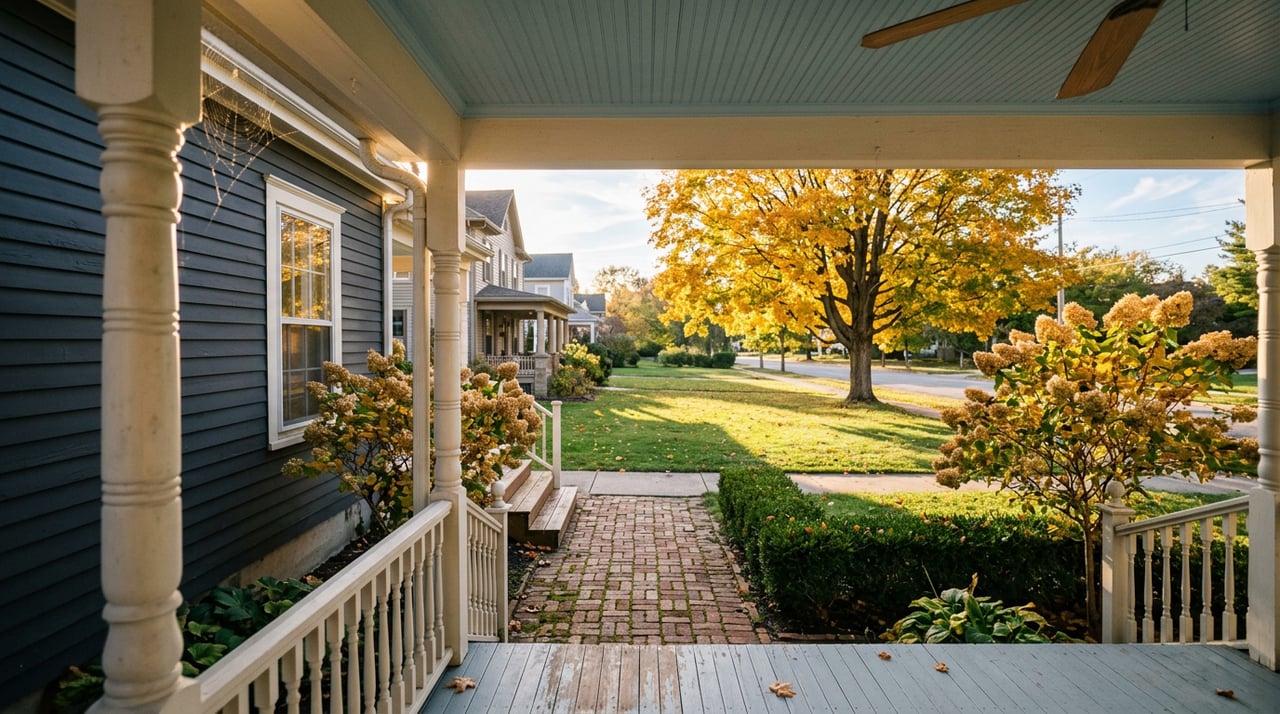
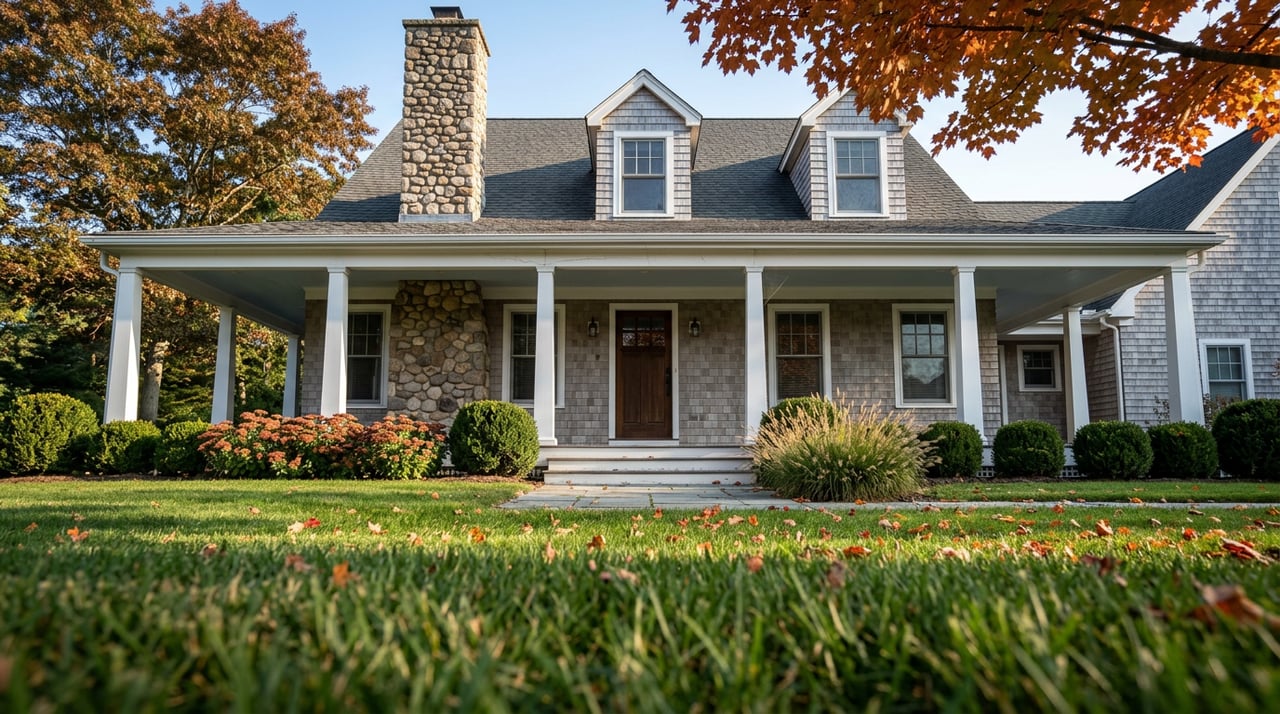
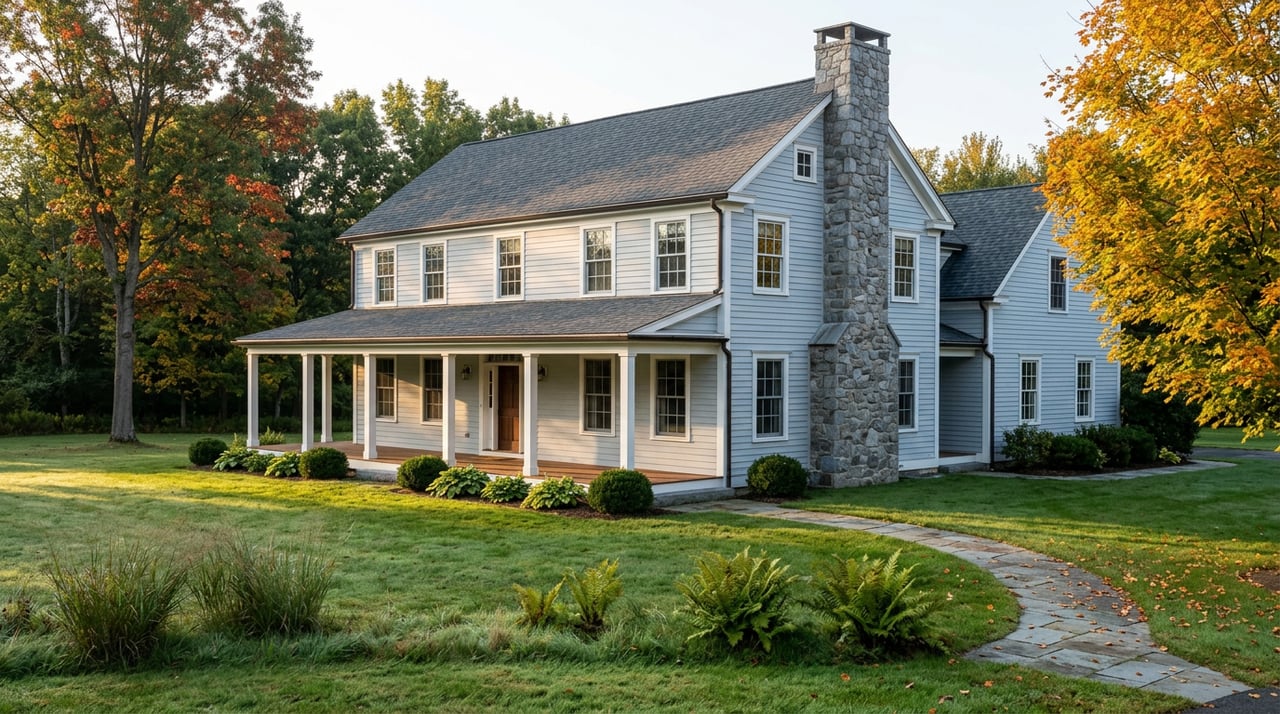
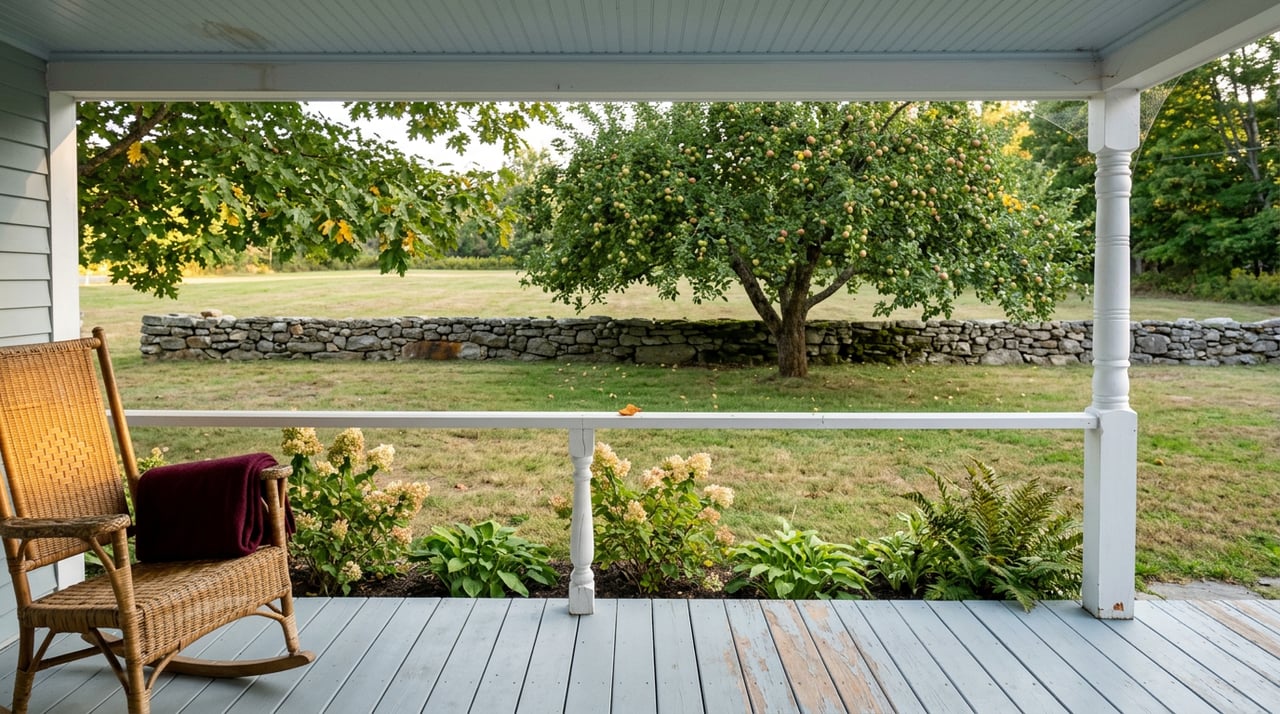
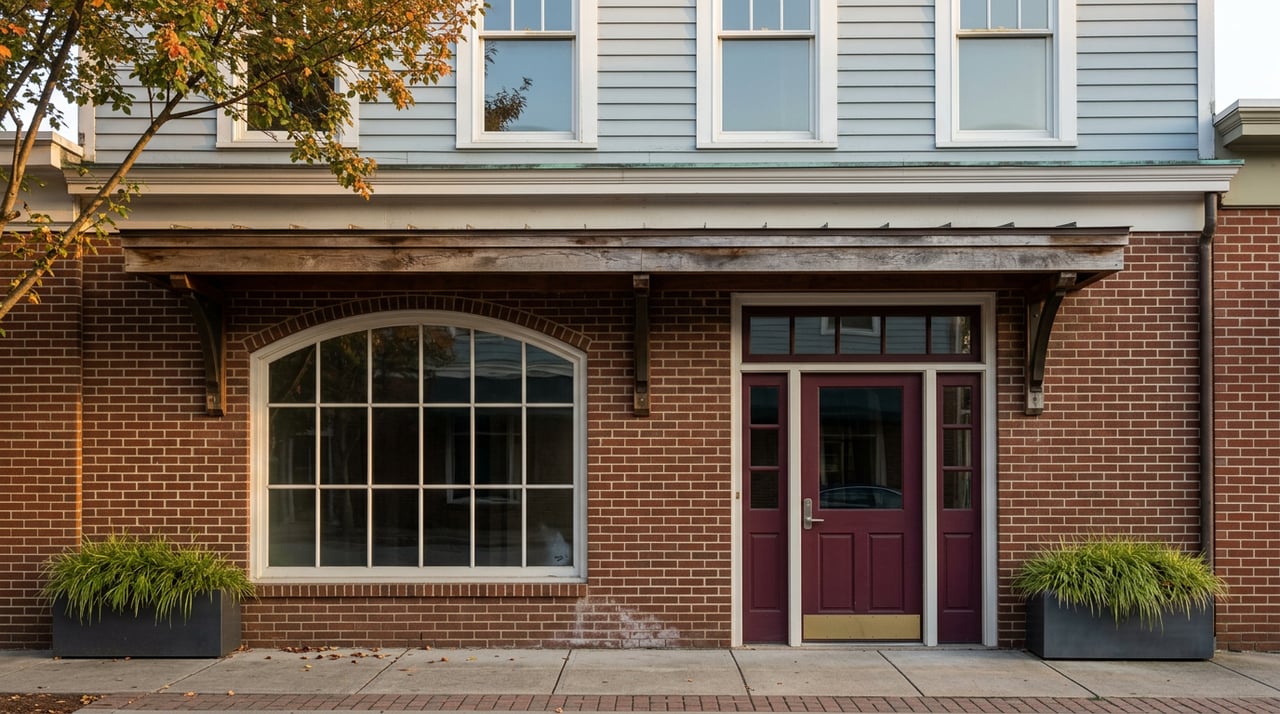
Fall Creek's housing stock is mostly older, close-set homes with deep front porches and shallow setbacks from the sidewalk. That's not incidental to Porchfest. It's the entire mechanism. A porch that sits twelve feet from the street puts a performer at conversational distance from anyone walking by, which is exactly the scale the festival's own rules are written around. Performers are asked to keep their sound low enough that it isn't audible more than a few houses away, a rule that only works if the houses themselves are close enough together to make that restraint meaningful rather than pointless.
The narrow one-way streets do the same work. Closing W. Marshall Street or the stretch of Auburn Street between Jay and Dey for a day is a manageable ask precisely because those streets aren't carrying through-traffic for the rest of the city. A festival built the same way in a neighborhood of wider lots and busier collector streets would need a different playbook entirely, which is part of why the format has been slower to take root in newer or more spread-out parts of town.
The event has since spread to more than 170 other places across the United States and Canada, each one adapting the same basic idea to its own streets. Almost all of them have stayed within North America, which tracks with the theory. The idea travels easily. The specific mix of narrow lots, deep porches, and low-traffic side streets that makes it work here is harder to find, let alone export.
If you've done this before, most of this is muscle memory. If you're newer to the neighborhood, here's what actually changes about your day:
None of this is complicated once you've done it once. But it's worth having the map in your head before noon rather than figuring it out in real time with a hundred other people trying to do the same thing.
What's easy to miss, standing on a sidewalk listening to a brass band on somebody's porch, is that the whole thing runs on infrastructure most people never see. Lesley's husband wrote custom scheduling software back in 2014 just to keep a hundred-plus acts and porches from stepping on each other's sound. Katie Foley has organized the food truck side of things since 2018. Close to a hundred volunteers show up every year in two-hour shifts to keep it running. For years, from 2011 to 2019, Ithaca Neighborhood Housing Services helped underwrite the costs that Hildreth and Greene had originally been covering out of pocket.
That's the piece of this that says something true about the neighborhood beyond the one Sunday. Fall Creek and Northside aren't just a convenient stage. They're a place where enough people have been willing to hand over a porch, host a stranger's band, or spend a Saturday building a scheduling spreadsheet that an event this complicated keeps running on volunteer labor two decades in. The physical layout made it possible. The people made it last.
If you've lived on these blocks long enough to remember an earlier, smaller Porchfest, you've watched that math play out in real time. And if you're newer here, September 20 is as good a day as any to notice what your own street looks like when every porch on it is doing something.
If you're curious about the neighborhood behind the noise, from the housing stock that makes this kind of event possible to what it's actually like to own a porch here rather than just visit one for an afternoon, Brian DeYoung has spent close to four decades paying attention to exactly that. Let's Connect.
Stay up to date on the latest real estate trends.
Dedicated support from your first search to closing day. Let Brian DeYoung guide you toward your next dream home.