Best Ithaca Neighborhoods for First-Time Buyers
Looking for your first home in Ithaca can feel surprisingly complicated. Two homes with similar prices may offer very different commutes, maintenance needs, and daily routines depending on the neighborhood. If you want to buy smart the first time, it helps to understand how Ithaca’s neighborhoods, hills, and older housing stock shape the decision. Let’s dive in.
Ithaca is heavily shaped by Cornell University and Ithaca College. That demand affects where homes are located, how they are used, and how much convenience you get at a given price point.
It also means neighborhoods can feel very different over short distances. A home that looks close on a map may come with a steep walk, a bus-dependent commute, or a very different housing type than you expected.
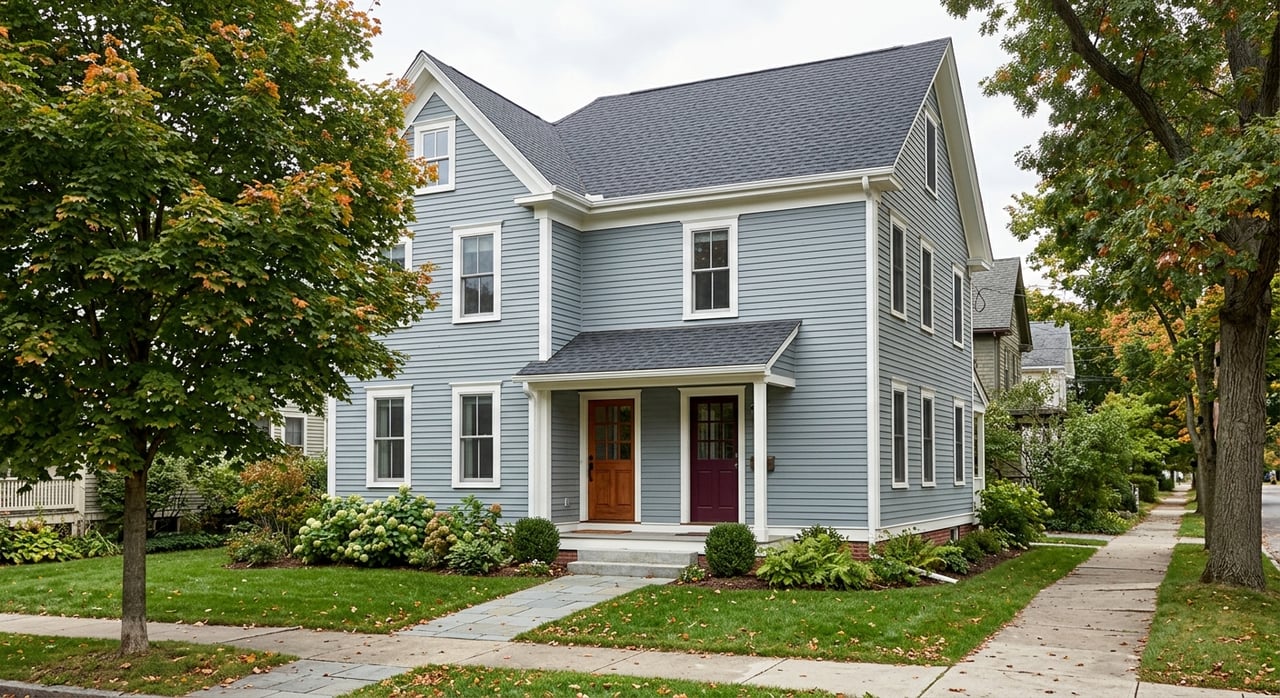
The City of Ithaca describes core neighborhoods like Fall Creek, South Hill, East Hill, West Hill, and Southside as primarily residential areas with many wood-frame homes built 50 to 100 years ago. For you as a first-time buyer, that matters because location is only part of the story. Age, upkeep, and renovation risk matter just as much.
The Town of Ithaca also notes the area's steep hills, valleys, creeks, and ravines, including the Six Mile Creek Valley between South Hill and East Hill. In real life, that means convenience is not just about miles. It is also about terrain, walkability, and how you plan to get around every day.
In Ithaca, the biggest tradeoff is usually walkability versus space. Neighborhoods closer to Cornell, Ithaca College, downtown, or the Commons often offer easier daily access, but you may pay more for location and get an older home or less square footage.
If you move farther from those activity centers, you may find more breathing room or a lower price point. At the same time, your commute, transit needs, and day-to-day errands may become less simple.
Recent market snapshots put Ithaca’s median sale price at about $380,000 over the last three months, with homes taking about 72 days to sell. That gives you a useful baseline as you compare neighborhoods and decide what tradeoffs fit your budget.
Fall Creek is one of the most balanced options for many first-time buyers in Ithaca. Cornell places it west of campus, roughly 0.5 to 1 mile away, with walking access to shopping, parks, and city services.
The housing mix includes subdivided houses, single-unit homes, and apartments over shops. Cornell also notes frequent bus service and an uphill walk to campus of about 20 to 30 minutes. If you want older Ithaca character and strong everyday convenience, Fall Creek often stands out.
Recent neighborhood snapshots show Fall Creek with a median sale price of about $385,000 over the last three months. That is close to the citywide median, which suggests Fall Creek is not a bargain pocket, but it is still very much part of the core starter-home conversation.
For many buyers, the value here is not just the house itself. It is the ability to live in a neighborhood with solid access to downtown, transit, and Cornell-related destinations.
South Hill is a natural fit if your life is tied more closely to Ithaca College. Cornell describes it as mostly residential with a concentration of student housing, and Ithaca College sits on South Hill itself.
If you do not need to be next to Cornell, South Hill can open up useful options. It may also appeal to buyers who want a setting that feels a bit different from the most campus-adjacent parts of the city.
TCAT service adds to South Hill’s appeal. Route 11 serves South Hill and Ithaca College, Route 65 serves Ithaca College on select trips and Cornell Central Campus on weekday rush hours, and the weekend 11S connects South Hill riders to southwest shopping areas including Wegmans, Trader Joe’s, and Walmart.
That kind of transit access can make a real difference if you are trying to manage costs, share a car, or reduce how much you drive. In Ithaca, that practical side of neighborhood choice matters just as much as curb appeal.
Recent market snapshots show South Hill with a median sale price of about $348,000. Recent sold examples ranged from roughly $178,000 to $711,000, which tells you this area can include both starter-friendly opportunities and higher-priced homes with more size or updates.
If your budget is tight, South Hill is worth watching closely. The spread in pricing suggests you may find a wider range of entry points here than in some more Cornell-adjacent locations.
If being close to Cornell is your top priority, East Hill, Belle Sherman, and Collegetown are usually the main areas to compare. Cornell describes East Hill as a quieter residential area south of campus, about 0.75 to 2 miles away, with East Hill Plaza, Judd Falls Plaza, and Collegetown within walking distance.
Belle Sherman is described as quieter, with a few apartment complexes and about a 15-minute level walk to campus. Collegetown, by contrast, is denser and more heavily shaped by student housing, with more noise and congestion than nearby residential streets.
TCAT Route 82, the Cornell-East Hill Loop, serves East Hill Plaza, Maplewood Apartments, and Cornell Central Campus. That makes East Hill especially appealing if you want a bus-friendly location near Cornell without being in the center of Collegetown activity.
Housing type matters a lot here. Some properties are owner-occupant friendly, while others lean more toward multi-unit or investor-oriented use. That distinction is important when you are buying your first home and want your monthly costs, lifestyle, and maintenance responsibilities to stay manageable.
Recent neighborhood snapshots show nearby average home prices around $478,000 for Collegetown and $530,000 for Belle Sherman. Those figures point to a higher pricing tier than many first-time buyers target.
That does not mean these areas are off the table. It simply means you may need to be flexible on size, condition, or property type if Cornell proximity is your top goal.
In many markets, buyers focus first on bedroom count and square footage. In Ithaca, the smarter first question is often how you want to live day to day.
Do you want to walk to services, use transit easily, or stay close to Cornell or Ithaca College? Or would you rather accept more travel in exchange for more room or a potentially lower price?
Planning language from the Town of Ithaca points to compact, mixed-use, walkable neighborhood patterns in places like South Hill. That framework helps explain local pricing. The closer you get to major destinations, the more likely you are to pay for convenience rather than sheer size.
Budgeting for your first home in Ithaca should go beyond the mortgage payment. The Consumer Financial Protection Bureau says buyers should also plan for taxes, insurance, maintenance, repairs, and utilities.
The same guidance notes that closing costs typically run about 2% to 5% of the purchase price. It also notes that if you put down less than 20%, you will likely pay mortgage insurance.
The CFPB also recommends keeping an emergency cushion, often 3 to 6 months of expenses. In a market with many older homes, that reserve matters because repair needs can show up quickly after closing.
In Ithaca, listing language can tell you a lot. Terms like as-is, in its present condition, needs TLC, older home, or investment opportunity should prompt extra questions.
According to consumer guidance cited in the research, an as-is home means the seller is not making guarantees about condition and does not plan to make repairs even if the inspection turns up problems. A home inspection can still lead to renegotiation, repair credits, or cancellation if your contract allows it.
That is why inspection strategy matters so much here. In an older Ithaca housing market, inspection findings are not just a box to check. They are part of how you understand the real cost of the home.
Because many Ithaca homes were built decades ago, you will want to look closely at the major systems. Roof condition, structure, plumbing, heating, electrical service, insulation, and long-term maintenance history all deserve careful review.
Lead is another important consideration. The EPA says homes built before 1978 are more likely to contain lead-based paint and recommends assuming it is present unless testing by a certified inspector or risk assessor shows otherwise.
That does not mean older homes should scare you away. It means you should evaluate charm and character alongside repair planning, inspection results, and the cash reserve you will need after closing.
If you are feeling torn between neighborhoods, try narrowing your decision with three questions:
For many first-time buyers, Fall Creek is the strongest all-around fit if you want character and convenience. South Hill is often the clearest choice for Ithaca College access and budget flexibility. East Hill, Belle Sherman, and Collegetown make the most sense when Cornell proximity is the priority.
Buying your first home in Ithaca is rarely just about finding a house you like. It is about matching your budget, commute, and comfort with older-home condition to the neighborhood that supports your everyday life. If you want practical guidance from someone who understands both the local market and how houses really work, Brian DeYoung can help you sort through the tradeoffs and move forward with confidence.
Stay up to date on the latest real estate trends.
Dedicated support from your first search to closing day. Let Brian DeYoung guide you toward your next dream home.